
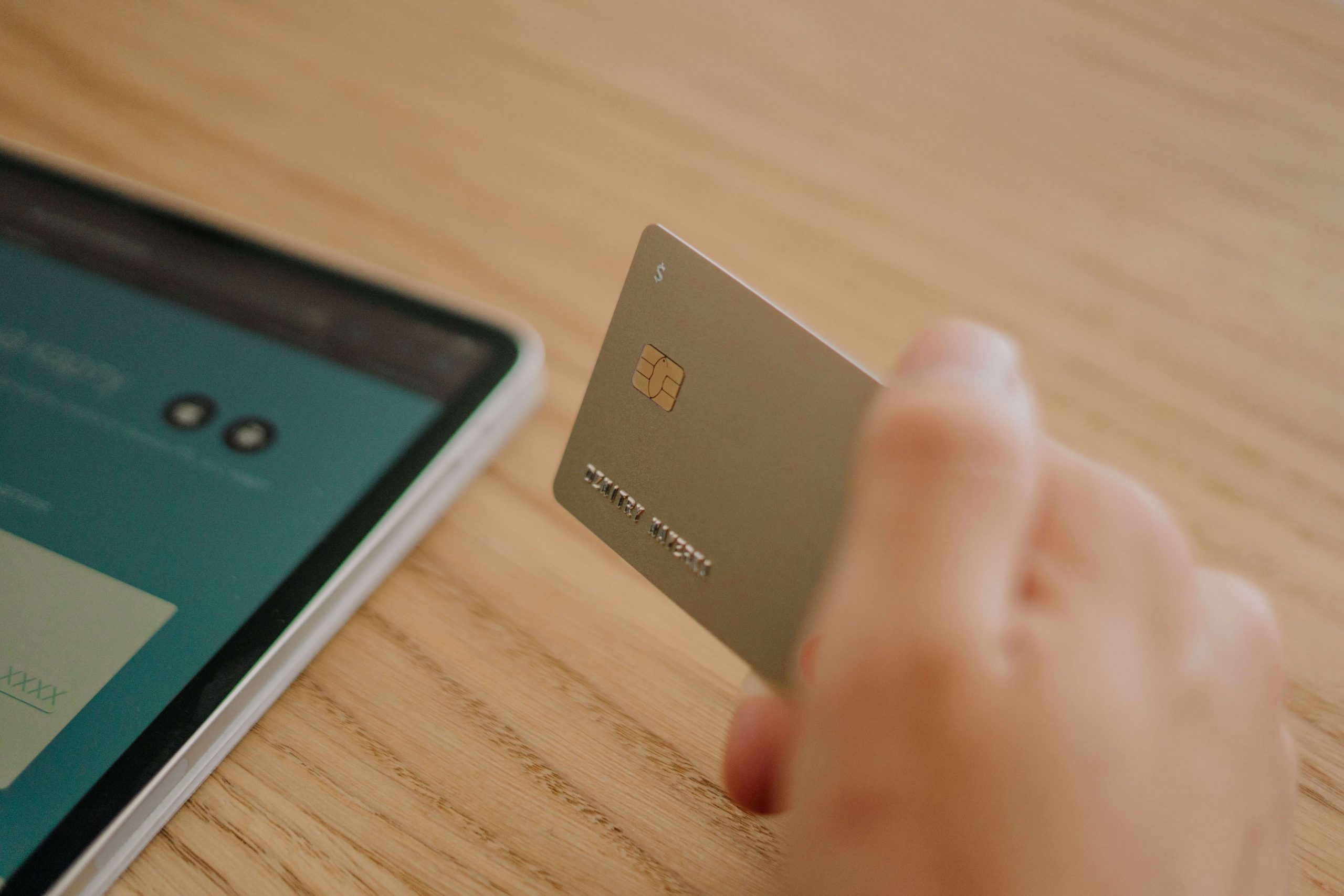
Malta runs on the euro and, more and more, on cards. For most tourists, a single Visa card will cover the airport transfer, the hotel, dinner in Valletta and the boat across to Comino without much thought at all.
Paying as a visitor is not quite the same as paying at home, though. A few local quirks, like which machines to use and which prompts to refuse at the till, decide whether you spend a little more than you needed to over a week.
Getting your hands on euros
Malta is in the eurozone, so there is nothing to exchange if you are arriving from another euro country. If you do want cash, take it from a bank’s own machine. BOV, HSBC and APS ATMs sit outside branches across the islands and give you a straight bank rate.
Steer clear of the standalone machines clustered around the busiest tourist spots. They work fine, but their fees and exchange spreads run noticeably higher than a high-street bank’s. Two minutes on foot to a branch machine usually saves more than it costs you.
Where your Visa card actually works
Card acceptance in Malta is close to universal. Hotels, restaurants, supermarkets, museums and most shops take Visa, and contactless is standard rather than a novelty. You will struggle to find a sit-down meal or a hotel night you cannot settle by card. The same holds online, where a fair bit of holiday spending now happens, from ferry bookings and tour tickets to harbour cruises and sightseeing passes.
Online gaming and licensed operators
One slice of that on-screen spending is online gaming, and it is a bigger part of the picture in Malta than almost anywhere else in Europe. The island licenses a large share of the continent’s operators, so it is something a visitor may come across on a rained-off afternoon or an evening winding down after dinner rather than a dedicated reason to travel.
On the payment side, it behaves much like any other card spending. The Malta online casinos that accept Visa run on the same networks you already use at the hotel desk: deposits clear instantly, withdrawals usually land within one to three days, and most sites add no fee on Visa transactions. That is not always true of the e-wallet alternatives, and those are frequently excluded from welcome offers anyway, so a card is often the simpler choice. Two small frictions are worth knowing: the name and address on your account should match your card to avoid payment holds, and a Visa prepaid card can fund a deposit but cannot be used to withdraw.
It is worth keeping that side of things in proportion. Every reputable site is licensed and supervised by the Malta Gaming Authority; they are strictly for over-18s, and if you do dip in, set a budget first and treat it as entertainment rather than income.
The “pay in your own currency” trap
Here is the one that quietly costs tourists the most. When you tap or insert your card, a terminal or ATM may offer to bill you in pounds, dollars or whatever your home currency is, instead of euros.
Always choose euros. The home-currency option, called dynamic currency conversion, hands the exchange rate to the merchant, who adds a margin on top. Let Visa’s network do the conversion and you almost always come out ahead. It is pennies on a coffee, but it adds up over a week of meals, taxis and bar tabs.
Tapping your way around
Contactless is everywhere, from supermarket tills to the readers on Tallinja buses. Apple Pay and Google Pay work wherever the contactless symbol appears, so a phone or watch makes a tidy backup if you would rather leave the physical card at the apartment on a beach day. Larger bills may still ask for the chip and PIN once you pass the usual contactless limit, so keep the card itself within reach even when you are mostly tapping.
If your days revolve around the cafés, museums and shops of Valletta, you may barely touch cash at all. The capital is dense with small, card-friendly places, and most wave a tap straight through.
Where you will still want coins is the smaller, older corners of island life, and the beaches. A sandy stretch like Golden Bay has a kiosk or two for a cold drink or a deckchair, but they are far happier with a couple of euros than a card. The same goes for a village bar, the Mdina karozzin, or a Sunday stall down in Marsaxlokk. Twenty or thirty euros in your pocket covers them without a cash machine detour.
A few habits that smooth the trip
Tell your bank you are travelling before you fly, so a run of Maltese transactions does not trip a fraud block on your first morning. Carry a second card on a different network where you can, stored apart from the first, in case one goes missing or a machine keeps hold of it.
Check your home bank’s foreign-transaction fee too. Plenty of travel cards now drop it inside the EU, and within the eurozone, there is no conversion cost at all, which makes Malta an easy place to lean on the card and leave the jangling pocket of change behind.
Get those few things right, favour bank ATMs over the tourist machines, pick euros over your home currency, and keep a little cash for the village and the beach, and paying your way around Malta becomes the least memorable part of the trip. Which is exactly how it should be.